

If you’re planning a trip to South Korea between March and May, you’re in for a treat. While most travelers focus on the breathtaking cherry blossoms, there’s a hidden world of flavor waiting to be discovered. In Korea, we call it “Jecheol-eumsik” (Seasonal Food), and eating these fresh, seasonal ingredients is believed to be the secret to health and energy after a long winter.
From earthy mountain herbs to the freshest seafood, let’s explore the must-eat Korean spring foods that will make your 2026 journey truly unforgettable.
1. The Magic of Spring Greens (Namul): Nature’s Detox
Korean spring is synonymous with vibrant green mountain herbs, known as Namul. These aren’t just side dishes; they are packed with minerals to wake up your body.
Mugwort (Ssuk): The Scent of Spring
Mugwort (Ssuk) is perhaps the most iconic spring herb. It has a unique, earthy aroma that Koreans love. You’ll often find it in Ssuk-beomuri (steamed mugwort with rice flour) or Ssuk-guk (mugwort soup with soybean paste). It’s known for its detoxifying properties and boosting the immune system.
Wild Chives (Dallae) & Shepherd’s Purse (Naengi)
If you see a soup with a fragrant, slightly garlicky scent, it’s likely Dallae-doenjang-guk. Wild chives (Dallae) and Shepherd’s purse (Naengi) are the stars of the spring table. They add a zesty, fresh kick to traditional stews that you can’t experience any other time of year.
- Tip for Vegans: Most Namul dishes are naturally vegan-friendly, making them a perfect choice for plant-based travelers!
2. Jjukkumi (Webfoot Octopus): The Star of Seasonal Seafood
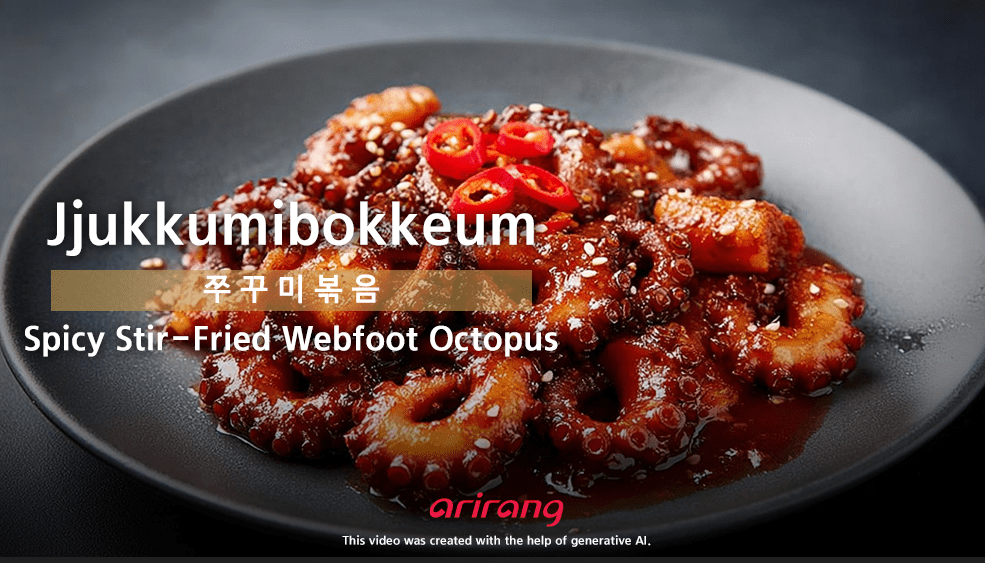
While you can find octopus year-round, Jjukkumi (Webfoot Octopus) is at its peak from March to May. This is when they are filled with delicious roe, which looks like grains of white rice and has a nutty, rich flavor.
Why You Must Try It in Spring
In 2026, seafood markets in Seoul, like Noryangjin Fish Market, will be bustling with locals seeking the freshest Jjukkumi. It’s usually served Shabu-shabu style (lightly blanched in broth) or stir-fried with spicy gochujang sauce.
| Preparation | Flavor Profile | Recommended For |
|---|---|---|
| Shabu-shabu | Clean, savory, natural sweetness | Those who prefer mild flavors |
| Spicy Stir-fry | Bold, spicy, smoky | Fans of Korean spicy BBQ |
| Parboiled | Chewy, tender, authentic | Seafood purists |
3. Sweet Korean Strawberries: A Global Phenomenon

You might have seen them on social media—Korean Strawberries are world-renowned for their incredible sweetness and size. Spring is the height of the strawberry season in Korea.
Experience a Strawberry Farm
For a unique experience in 2026, consider a day trip to Nonsan or Yangpyeong. Many farms offer “Pick-and-Eat” programs where you can harvest your own berries and even make strawberry jam or rice cakes. If you stay in the city, don’t miss the Luxury Strawberry Dessert Buffets held at major hotels in Seoul like the Lotte Hotel or JW Marriott.
4. 2026 Spring Food Festivals You Can’t Miss
To truly eat like a local, you should visit a food festival. These events offer a deep dive into Korea’s regional specialties.
- Yangpyeong Sansuyu & Hanu (Korean Beef) Festival (April 2026): Combine the beauty of yellow spring flowers with top-grade Korean beef.
- Hongcheon Wild Herb Festival (May 2026): The best place to taste and buy authentic mountain greens directly from farmers.
For more details on festival dates and locations, check the Official Korea Tourism Organization website.
Eating seasonal food is the best way to connect with Korean culture and stay healthy during your travels.
작가의 한마디:
한국의 봄은 눈으로 즐기는 꽃뿐만 아니라 입으로 즐기는 제철 음식이 정말 매력적이에요. 특히 나물의 향긋함은 꼭 한번 경험해 보시길 추천합니다!
[Don’t forget to save this guide for your 2026 Korea trip, and leave a comment below if you have any questions about Korean food!]
❓ FAQ
Q1. Where is the best place to try these spring foods in Seoul?
A. Traditional markets like Gwangjang Market or Namdaemun Market are excellent. For high-quality seafood like Jjukkumi, head to Noryangjin Fish Market.
Q2. Are these seasonal dishes very spicy?
A. Not all of them! While the stir-fried Jjukkumi is spicy, most spring herb soups (Ssuk-guk, Naengi-guk) and Shabu-shabu are mild and savory.
Q3. Can I find these foods in restaurants throughout the year?
A. While some items are available frozen, the authentic taste of fresh Namul and Jjukkumi roe can only be found during the spring months (March-May).