

If you’ve ever spent time with Koreans, you’ve likely heard the phrase “Palli-Palli!” (Hurry, Hurry!).Korea is world-famous for its 5G internet and overnight deliveries. While many assume this is a byproduct of modern industrialization, the “need for speed” is actually baked into Korean DNA for centuries.
Today, let’s travel back 600 years to the Joseon Dynasty to meet the Pabal(파발)—the superhuman couriers who sprinted across rugged mountain ranges to deliver “Top Secret” royal messages.
Check out my favorite Amazon picks!
Shop on AmazonAs an Amazon Associate, I earn from qualifying purchases.
1. Before the Pabal: The ‘1-Bit’ Smoke Signal System (Bongsu)
Before the Pabal system was perfected, Joseon relied on Bongsu(봉수, Beacon Fires). This was a network of towers on mountain peaks.
- Daytime: Used smoke signals.
- Nighttime: Used fire signals.
It was incredibly efficient, sending a signal from the northern border to the capital (Seoul) in just half a day. However, it had a critical “bandwidth” problem: it couldn’t send details. A fire could signal “Invasion!” but couldn’t specify the enemy’s size or direction. Furthermore, heavy fog or rain rendered the entire system useless. To overcome these limits, Joseon invested in the ultimate “hardware”: human legs and horses.
2. The Pabal: Meet the Human “5G” Network
In 1597, following the Imjin War, the Joseon government realized that accurate, detailed information was a matter of national survival. They established the Pabal system, which was divided into two elite categories:
- Gibal (기발, The Riders): Mounted couriers who galloped between stations located every 10-13km. They swapped tired horses for fresh ones at “Yeok” (stations) and kept a relentless pace, covering about 160km (100 miles) a day.
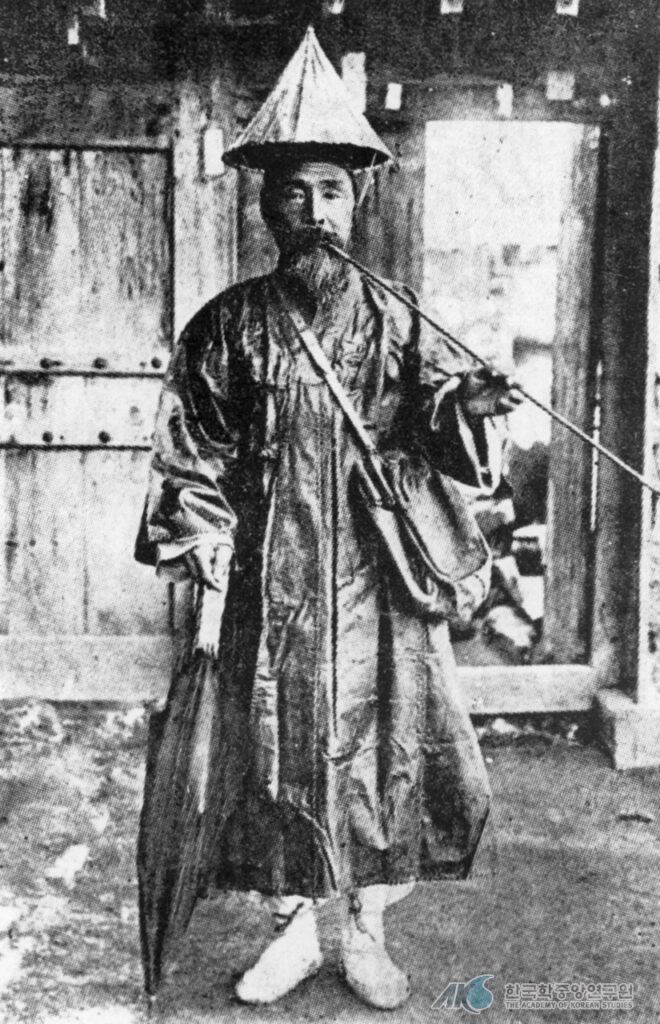
- Bobal (보발, The Runners): In steep, rocky terrains where horses couldn’t tread, human athletes took over. These runners covered over 40km per stage, often running through wild forests infested with tigers.
Imagine running nearly two full marathons every single day in nothing but Jipsin (straw sandals). This wasn’t just a job; it was a feat of superhuman endurance.
3. Special Equipment: The “Siren” of Joseon
To ensure the Pabal never stopped, they were granted a “VIP Pass.” * The Bell (Bangul): Couriers carried a staff or a bag with small bells. The distinct “Jingle-Jingle” sound acted like a modern-day ambulance siren. When the sound was heard, everyone—from commoners to high-ranking officials—had to clear the path.
- Punishment: Blocking a Pabal courier was a serious crime. Since the message represented the King’s will, delaying it was seen as an act of treason.
4. Historical Evidence: “Speed Like Lightning”
In the late 1800s, British traveler Isabella Bird Bishop was astonished by this system. In her book Korea and Her Neighbors, she noted how a Pabal courier delivered her urgent funds from Seoul to the countryside with “lightning speed.” She marveled at how such a traditional system could outperform modern expectations of the time.
5. Comparison: Bongsu vs. Pabal
| Feature | Bongsu (Beacons) | Pabal (Couriers) |
| Speed | ⚡ Instant (Light/Smoke) | 🐎 Physical Travel |
| Detail | ❌ Low (Simple alarms) | ✅ High (Detailed letters) |
| Reliability | ❌ Weather-dependent | ✅ High (Can travel in rain) |
| Modern Version | Emergency SMS / Sirens | Amazon Prime / FedEx |
6. Conclusion: More Than Just Being in a Rush
Looking back at those dusty mountain paths, we realize that “Palli-Palli” was more than just haste—it was about responsibility and connection. These couriers ran until their hearts nearly burst because they knew a single letter could save thousands of lives.
Today, we send messages in 0.1 seconds via KakaoTalk or WhatsApp. But are we communicating with the same weight and sincerity as the Pabal runners did 600 years ago? The next time your Wi-Fi lags, take a deep breath and remember the runners who crossed mountains in straw sandals to keep the world connected.
The Winter Olympics: Did You Know It Wasn’t Originally an “Olympics”?