

Have you ever watched a K-drama and wondered why characters turn their heads to the side when taking a shot? Or why they seem so insistent on pouring drinks for one another? In Korea, drinking is far more than just consuming alcohol; it is a profound social ritual rooted in “Jeong” (affection/bonding) and deep-seated respect for hierarchy.
If you are planning a trip to South Korea or have been invited to a dinner with Korean colleagues, understanding these nuances will not only save you from “social fumbles” but also help you build much deeper connections. Let’s dive into the heart of Korean drinking culture and the essential etiquette you should know.
1. The Core of Etiquette: Respect and Hierarchy
The most distinctive feature of Korean drinking culture is the emphasis on respect toward elders and those in higher positions. This is not about being rigid; it’s about showing that you value the person you are with.
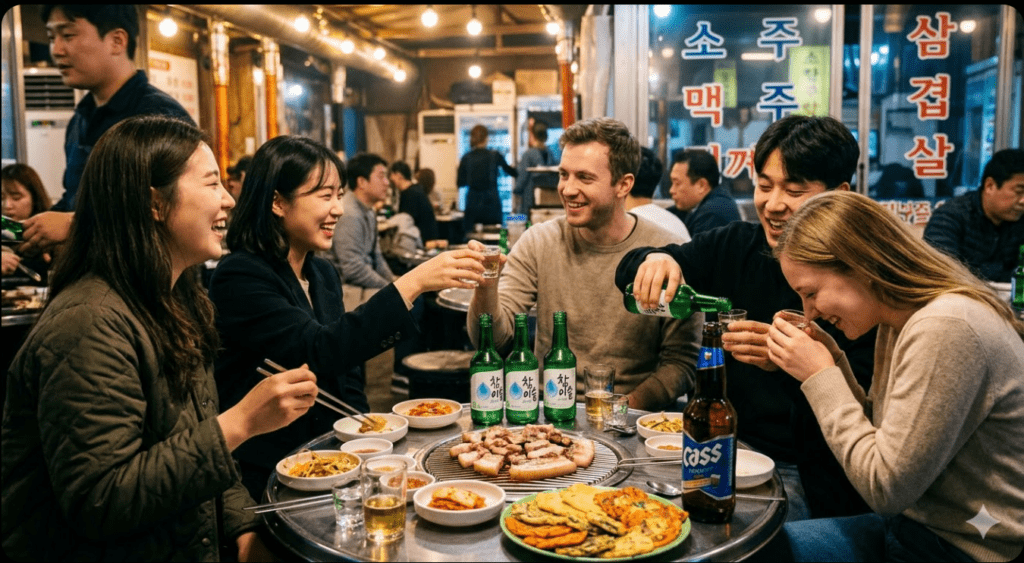
Pouring and Receiving with Two Hands
In Korea, using one hand can sometimes be seen as casual or even dismissive. When pouring a drink for someone older or of higher rank, always hold the bottle with two hands. Similarly, when receiving a drink, hold your glass with both hands and give a slight nod. It’s a simple gesture that speaks volumes about your manners.
The “Turning Away” Rule
If you are drinking with someone older, it is polite to turn your head and body slightly away from them when you take a sip. Covering your mouth or the glass with your hand while drinking is also a common sign of respect. This practice stems from the idea that drinking directly in front of an elder can be seen as a challenge or lack of modesty.
Never Let a Glass Stay Empty
Koreans are attentive hosts. You will notice that people are constantly checking each other’s glasses. Refilling someone’s glass before it’s empty (or as soon as it is) is a sign of care. However, remember the “Self-Pouring” taboo: in many social circles, pouring your own drink is considered bad luck or “lonely.” Wait for someone to offer, or better yet, offer to pour for them first!
2. Iconic Korean Drinks and the Art of “Anju”
While Soju is the undisputed king, the world of Korean alcohol is vast. To truly experience the culture, you must understand the pairing of drinks and food, known as Anju.
Soju vs. Makgeolli: What’s the Difference?
Soju is a clear, distilled spirit, while Makgeolli is a milky, sparkling rice wine. They offer completely different vibes and are paired with different types of food.
| Feature | Soju (소주) | Makgeolli (막걸리) |
|---|---|---|
| Appearance | Clear and transparent | Milky and opaque |
| Taste Profile | Neutral, slightly sweet, sharp finish | Sweet, tangy, and carbonated |
| Alcohol Content | High (usually 13% – 20%) | Low (usually 6% – 8%) |
| Best Pairing | Grilled meat (Samgyeopsal) | Korean pancakes (Jeon) |
| Vibe | Socializing, deep talks, parties | Rainy days, hiking, traditional |
The “Chimaek” Phenomenon
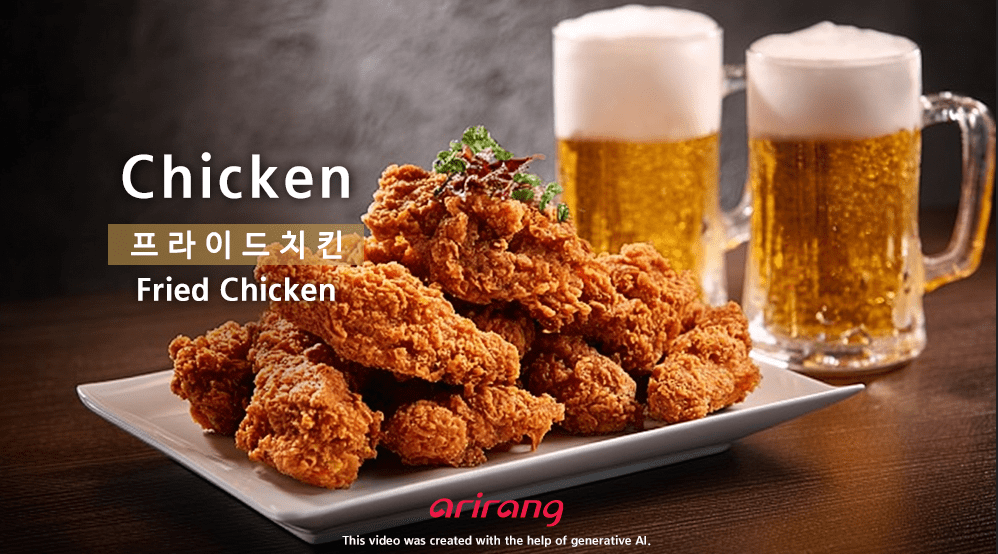
You cannot mention Korean drinking without Chimaek (Chicken + Maekju/Beer). This pairing has become a global cultural icon. For Koreans, Chimaek isn’t just a meal; it’s a reward after a long day of work. If you’re looking for a casual night out, head to a local chicken hofs—it’s where the real “Seoul” energy is.
3. The Modern Social Scene: Somaek and Games
Koreans are masters of making drinking fun. If you find yourself at a “Hoesik” (company dinner) or a gathering of young people, you’ll likely encounter Somaek.
The Magic of Somaek
Somaek is a cocktail made by mixing Soju and Maekju (beer). The goal isn’t just to mix them but to create the “Golden Ratio”—usually 3 parts Soju to 7 parts Beer. The carbonation of the beer makes the Soju smoother, leading to a surprisingly refreshing drink.
Pro Tip: Use a spoon to hit the bottom of the glass after mixing; the resulting foam makes the drink even better!
Ice-Breaking Drinking Games
From “The Titanic” (dropping a soju shot glass into a beer glass) to the “Bottle Cap Game,” Korean drinking games are designed to be fast-paced and inclusive. Don’t worry if you don’t know the rules—Koreans love teaching them to visitors. Participating is the fastest way to turn strangers into friends.
4. The Morning After: Survival and Recovery
With great drinking comes the inevitable “Sook-hwi” (hangover). Koreans have turned hangover recovery into a science.
Haejang-guk: The “Hangover Soup”
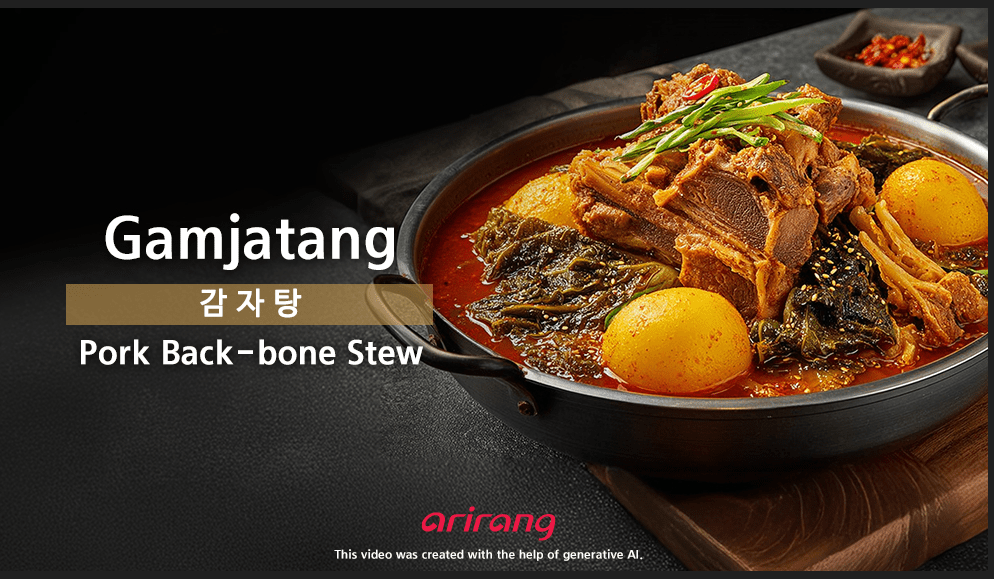
Koreans believe in fighting heat with heat. Haejang-guk is a category of hearty soups designed to soothe the stomach. Common varieties include Dried Pollack Soup (Bugeo-guk) or Pork Spine Soup (Gamja-tang).
Convenience Store Cures
If you need a quick fix, step into any 24-hour convenience store. You will find an entire shelf dedicated to hangover drinks like Condition or Dawn 808. Drinking one of these before you start your night is a common “pro move” among locals.
For more travel tips, you can check out the Official Korea Tourism Organization for the latest cultural events. Also, feel free to read my guide on Best Street Foods in Seoul to plan your perfect “Anju” crawl.
Korean drinking culture is built on the foundation of shared respect and the joy of being together.
Writer’s Note:
Don’t stress too much about getting every rule perfect. Koreans are incredibly forgiving to foreigners who show an interest in their culture. The effort to use two hands or say “Geonbae!” (Cheers!) will be met with big smiles and even more poured drinks.
Join the conversation! What was your first experience with Soju like? Tell us in the comments below!
❓ FAQ
Q1. What does “Geonbae” mean?
A. “Geonbae” (건배) literally means “empty glass,” similar to “Cheers” or “Bottoms up.”
Q2. Is it okay to refuse a drink in Korea?
A. While it’s culturally polite to accept the first drink, it is perfectly fine to decline more for health or religious reasons. Simply explain politely, and people will respect your choice.
Q3. Do people still do “Hoesik” (company dinners) often?
A. Yes, but the trend is changing. While traditional heavy drinking sessions still exist, many modern companies are moving toward shorter dinners or even “Culture Hoesik” (watching movies or bowling together).